This year marks the 50th anniversary of the great Secretariat's sweep of the Triple Crown with performances that made him the most recognized chestnut racehorse in popular culture. In lieu of a new Triple Crown champion, the racing media will spend much of this spring remembering the colt's rise to timeless fame.
In Virginia, the celebration will be especially enthusiastic. Secretariat is still a central part of the commonwealth's Thoroughbred identity. Meadow Event Park, which has built around the hallowed ground of Secretariat's birth in Doswell, Va., stands as a living tribute to his memory and the Chenery breeding program. In nearby Ashland, Va., birthday celebrations are planned for April 1 and will include a showing of the Secretariat movie, a meet and greet with a Secretariat descendant, and an unveiling of the largest Secretariat monument in the country.
These days, the story of the Thoroughbred in Virginia is largely two-pronged. There's Secretariat, the physical embodiment of past splendor, and there's the renaissance enjoyed by Virginia owners and trainers since the institution of the Virginia Certified program and revival of Colonial Downs.
Anyone who has spent time in Virginia can tell you it's a place that values its own history. It also values its place in national history. If you attended public school in the commonwealth (it's not a state, it's a commonwealth – a distinction that means practically little, but which Virginians will always correct you on) then you were likely coached to remember that Virginia was the cradle of eight presidents, more than any other state thus far. It's likely a statistic no one else was keeping particular track of, but which Virginia schoolchildren grew up thinking was an important record, as it made our home a central part of the country's beginnings.
Likewise, those of us who tend to center the place in any type of origin story will be thrilled to learn we can make similar claims about the National Museum of Racing and Hall of Fame. Although Kentucky has the most state-breds in the Hall with 145, Virginia is tied with Florida for second with 12, and they make it clear the commonwealth's Thoroughbred history started well before Secretariat's birth in 1970.
According to Julie A. Campbell's book The Horse in Virginia, horse racing was a part of the history and culture there from the beginning. George Washington was documented to have attended race meets across the colonies and was a breeder of racehorses. The sport in Virginia went back to the first generations of settlers at Jamestown, when it was popular with most people, though only white wealthy men could race their horses and bet using their own tobacco crop.
In the 1600s, horse racing in Virginia was a rough affair, according to Campbell.
“Under ideal conditions, the horses made a clean start, stayed on their own paths, ran without interference, and one clearly triumphed,” she wrote. “Ideal conditions were hard to come by, however. One jockey – the planter himself or one of his male slaves – would jump the gun; another might grab his opponent's arm or shove him off balance; a horse jostled the other or veered into another's path; a dog could wander, accidentally or not, onto the racetrack and spook both horses; the judge at the finish line was known to claim the losing horse the winner. Under such conditions, disgruntled owners sprinted for the nearest courthouse and filed lawsuits TO settle the question of the winner, the conditions, or the amounts of money or tobacco owed.”
By the early 1700s, things became a little more formal, with established tracks across Central and Eastern Virginia. Runners were often pulling double duty as occasional racehorses which also pulled plows and carriages or served as riding horses. At the very beginning, sprint races with the predecessors to Quarter Horses were the most popular form of the sport in Virginia, but by the 1730s, Thoroughbreds began to be imported to the colony and races stretched longer, as was the fashion in England. As the English Thoroughbred became an established, recognized breed whose bloodlines were valuable, wealthy Americans became interested in importing English Thoroughbreds to race and breed stateside.
Support our journalism
If you appreciate our work, you can support us by subscribing to our Patreon stream. Learn more.One of the most influential was Sir Archy, a son of English import Diomed, who was the winner of the 1780 English Derby and one of the first influential British horses to be imported to the States. Sir Archy was slow to get rolling on the racetrack, not really finding his stride until age four. He excelled at four miles and gradually became so dominant at that distance that he ran out of rivals who would face him. In one case, he drew away from a four-horse field after two miles and extended his lead so far he pulled up and walked across the finish line.
Upon retirement, he proved a popular stallion and is believed to have sired nearly 100 colts who would become advertised as stallions and 160 daughters who became producers in the American Stud Book. He is the oldest of the Virginia-breds to be inducted into the Hall of Fame.
Sir Archy's influence is felt throughout the breed, but two of his more immediate descendants – Boston, sired by a son of Sir Archy, and Planet, son of a daughter of Boston – followed him into the Hall of Fame. Boston was known as a foul-tempered creature who was nonetheless successful, with a record of 40 wins from 45 races up and down the East Coast in the 1830s. Despite a recommendation from one of his early trainers that he be “either castrated or shot, preferably the latter” for his savagery towards horses and humans, he managed a successful stud career alongside his career as a racehorse. His time as a racehorse stretched on until he was 10, and in his final two years as a stud, he sired Lexington and Lecomte.
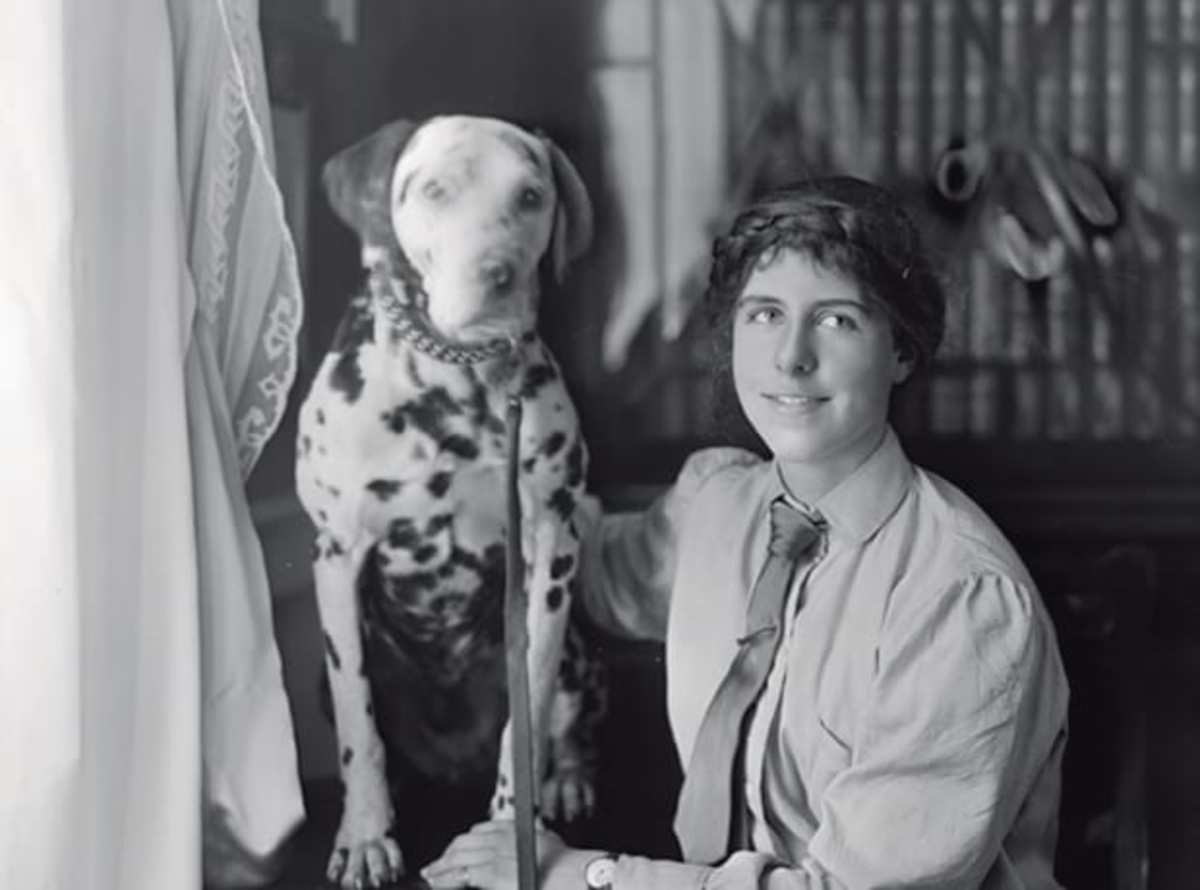
Besides being a cradle for presidents, Virginia was also home to people who would become influential in the modern Thoroughbred breeding landscape. In 1925, Campbell writes that two-thirds of the top 155 Thoroughbred stallions in the country stood in Kentucky, but 36 of them were in Virginia. Isabel Dodge Sloane (owner/breeder of Hall of Famer Sword Dancer), Liz Whitney Tippett, William H. duPont and Marion duPont Scott all maintained farms there. The legendary Claiborne Farm actually has its roots in Virginia; before he established Claiborne in Paris, Ky., Arthur B. Hancock originally raised Thoroughbreds on his parents' Ellerslie Farm in Albemarle County. He married Nancy Clay, whose family owned farm property in Paris, and for a while kept both the Kentucky and Virginia farms going even after he moved to Kentucky in 1912.
Christopher Chenery is known to most people now as the father to Penny Chenery of Secretariat fame, but the Richmond native built The Meadow Farm in the 1930s. He had made his fortune in New York but settled in his home state and built an admirable broodmare band across the North Anna River from the land that had nurtured Planet.
He bred Hall of Famer Hill Prince out of Hildene, a mare he bought for less than $1,000. Hill Prince won the 1950 Preakness and would go on to be named the Horse of the Year and champion 3-year-old with wins in the Withers, American Derby, Jockey Club Gold Cup and others to his credit. Half-brother First Landing (named for the anniversary of the settlement at Jamestown) would eventually sire Riva Ridge.
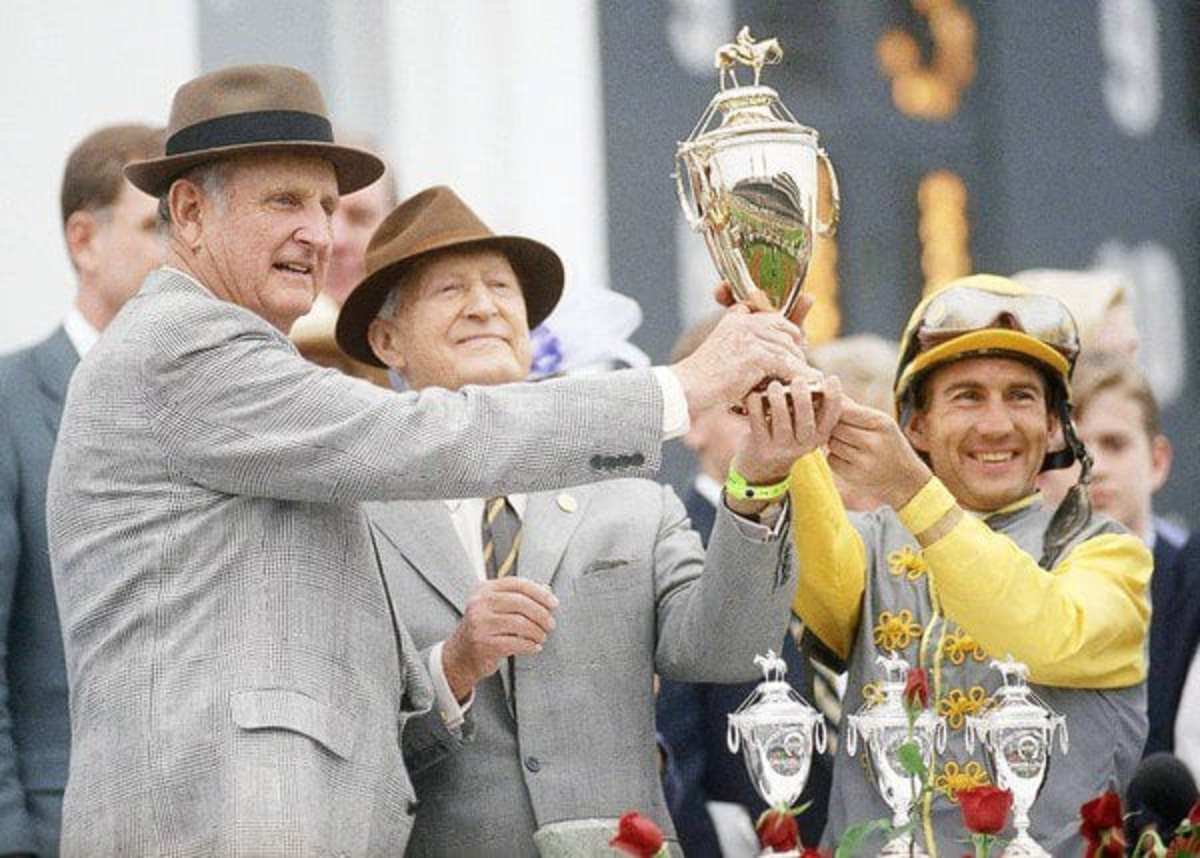
Paul Mellon's name is familiar both to Hall of Fame enthusiasts and Virginia residents. Mellon was the heir to a tremendous fortune and rode from an early age. He grew up foxhunting and racing in point-to-points, sometimes shipping himself and his horses across the Atlantic to do so. He was equally enamored with endurance horses, steeplechasers, and flat racing horses. His Hall of Fame homebred Arts and Letters won the 1969 Belmont Stakes, Jim Dandy, and Jockey Club Gold Cup en route to being Horse of the Year. Fellow Hall of Famer Fort Marcy was a three-time turf champion and set three course records at 1 ½ miles in a six-year career.
Mellon's Rokeby Stable homebreds also included Belmont winner Quadrangle, Derby winner Sea Hero, and English Derby and Arc de Triomphe winner Mill Reef. Mellon was a trustee of the National Museum of Racing, which now houses the hall, as well as an investor in the Middleburg Training Center.
Additional Virginia-bred Hall of Famers include Derby- and Coronation Cup-winning Reigh Count, three-time handicap champion Sun Beau, Grand National-winning steeplechaser Bon Nouvel, and two-time champion older female Shuvee.
As Kentucky Derby season is in full swing, Virginia Thoroughbred enthusiasts are hopeful they may soon stake additional claims to fame. Forte, winner of the Grade 2 Fountain of Youth and early favorite for this weekend's G1 Florida Derby, was bred by Amy Moore South Gate Farm, located in Millwood, Va. Though he's a Kentucky-bred because of his foaling location, Forte grew up a few minutes from the Thoroughbred center of the commonwealth in Middleburg and Upperville. Those watching the Gulfstream feed from Virginia will be hoping Forte could be the next billboard for the commonwealth's brand as the cradle of great racehorses.
The post Secretariat Just A Part Of Virginia’s Rich Thoroughbred History appeared first on Horse Racing News | Paulick Report.
